Most of the early writing about AEO focused on B2B SaaS and e-commerce brands. But the opportunity for service businesses — agencies, home service providers, professional practices, local businesses — is actually more significant, because service categories are where AI recommendation has the most influence on purchase decisions.
When someone asks ChatGPT or Perplexity "what's the best marketing agency for a series A startup" or "who does emergency HVAC repair in Denver," they're asking exactly the kind of categorical question that AI engines are designed to answer. If your business is the right answer to that question, you want the AI to know it. Here's how to make that happen.
Key takeaways
- Service categories are where AI recommendations influence purchase decisions most.
- Start with five to ten specific questions your ideal customer would ask an AI.
- Local AEO is won more on the off-site layer (profiles, reviews, citations, media) than on your website.
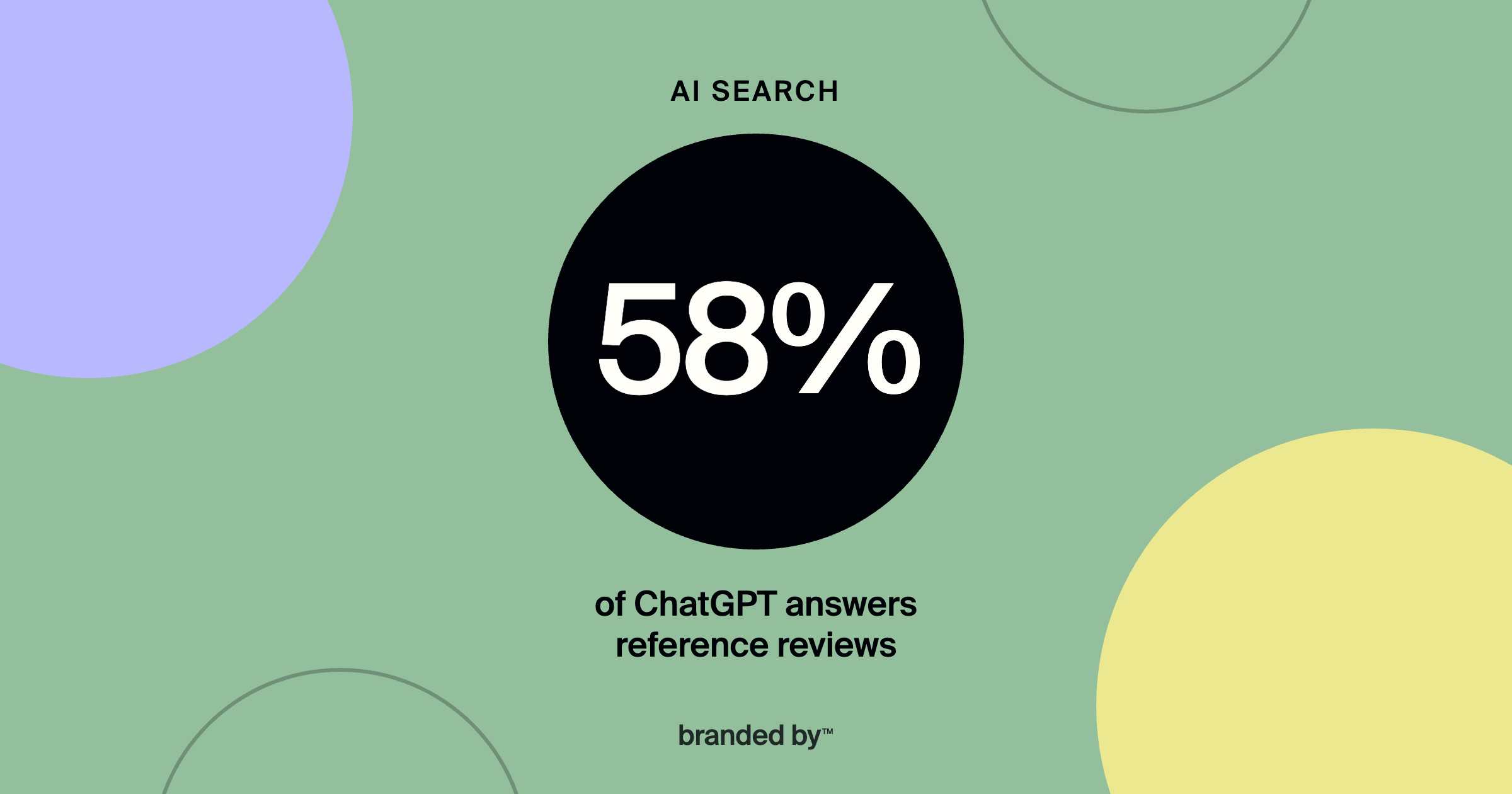
- Specific reviews with real outcomes give AI something concrete to cite.
Step 1: Define Your Answerable Territory
The first question for any service business starting an AEO strategy: what specific questions does your business exist to answer?
The temptation is to define this broadly. "We answer questions about marketing." That's not useful. The specificity that works in AEO is categorical and contextual: "We answer the question 'What's the best digital marketing agency for local home service businesses in the Southeast?'"
Write out five to ten questions that your ideal customer would ask an AI if they were looking for exactly what you offer. These become the foundation of your AEO content strategy — the questions your website, content, and online presence need to answer directly and credibly.
Step 2: Structure Your Service Pages for Extraction
Most service pages are written like brochures: an overview of what we do, why we're different, a list of features, and a contact form. This format is not AI-citable.
The structure that works for AEO on service pages: start with a direct answer to "what is [service] and what does it include?" Name the specific deliverables. State who it's best for. Address the most common objection or question directly. End with social proof that's specific enough to cite.
The goal is for each service page to be able to stand alone as a comprehensive, extractable answer to the question "what does [business] offer for [customer type]?" If an AI can read your service page and extract a clear, accurate summary of what you do and who you serve, you're in citation territory. If your page is heavy on evocative language and light on specific information, you're not.
Brochure page
- An overview of what we do
- Why we're different
- A list of features
- A contact form
Extractable page
- A direct answer to what the service is and includes
- Named deliverables
- Who it's best for
- The most common objection, answered
- Social proof specific enough to cite
Step 3: Build Local Entity Authority
For location-specific service businesses, local entity authority is the most important AEO signal. AI engines use a combination of your website, your Google Business Profile, your reviews, your local citations (NAP consistency across directories), and your local media presence to determine who the credible players are in a given market and category.
The checklist: consistent business name, address, and phone number across all platforms; a fully built-out Google Business Profile with regular updates and posts; reviews that mention the specific services and outcomes (not just "great service"); and at least some presence in local media or directories that are authoritative in your market.
The businesses that show up in AI recommendations for local service queries almost always have strong entity authority in all four areas. A business with a perfect website but weak GBP and sparse reviews will lose to a business with an adequate website and excellent local entity signals. Local AEO is won on the off-site layer more than the on-site layer.
Local entity authority in four areas
| Signal | What strong looks like |
|---|
| Name, address, phone | Consistent across every platform |
| Google Business Profile | Fully built out, with regular updates and posts |
| Reviews | Mention specific services and outcomes |
| Local media and directories | Some presence in sources your market trusts |
Step 4: Create Category-Defining Content
Beyond service pages, the content that produces the most AI citations for service businesses is category-defining content — content that establishes you as the authoritative voice on the type of work you do, not just a vendor who does it.
Category-defining content looks like: a comprehensive guide to choosing a [service provider] in [your market], a breakdown of what a [service engagement] actually includes and costs, a comparison of different approaches to solving the problem your service addresses, and a set of FAQ articles that answer every question a prospect would have before hiring someone in your category.
This content serves two purposes simultaneously. For AI systems, it establishes topical authority — the signal that your brand is the comprehensive source on this topic, not just a business that appears for one keyword. For human visitors, it's the kind of educational content that builds trust before a sales conversation begins.
Step 5: Earn Third-Party Validation
AI recommendation systems weight third-party validation heavily, because third-party signals are harder to manufacture than self-reported claims. For service businesses, the three most valuable third-party signals are: reviews on platforms AI systems trust (Google Business Profile, Yelp, industry-specific platforms), mentions in local or industry media, and case studies with specific, verifiable outcomes.
The reviews that matter most for AI recommendation aren't just numerous — they're specific. A review that says "[company] helped us increase our organic traffic by 60% over six months by rebuilding our content strategy" is far more useful to an AI than "great service, highly recommend." The specific outcome gives the AI something attributable and concrete to cite when recommending your business.
For media mentions: local business journals, industry trade publications, and city-specific business resources all contribute to the local authority signal that AI systems use to identify credible service businesses in a market. Even a brief mention in a well-regarded local publication is more valuable than most people realize.
Step 6: Monitor and Adjust
AEO for service businesses isn't a set-it-and-forget-it strategy. The competitive landscape changes as other businesses optimize, AI system behavior evolves, and customer question patterns shift. A quarterly monitoring process should cover: direct testing of your target queries in major AI engines, review of your Google Business Profile performance metrics, audit of new reviews and their content quality, and a check on whether your service pages still reflect your current offerings accurately.
The most useful monitoring habit is the simplest: once a month, ask ChatGPT, Perplexity, and Google AI Overviews the five questions your ideal customer would ask if they were looking for you. Note whether you appear, how you're described, and what your competitors are doing better. This direct feedback loop is more actionable than any analytics dashboard.
The Timeline to Expect
AEO results for service businesses don't happen overnight. Entity authority takes time to build, particularly in competitive local markets. A realistic timeline: 2–3 months to see your business beginning to appear in AI answers for longer-tail, less competitive queries; 4–6 months for more competitive local service queries; 6–12 months to build the kind of consistent AI recommendation presence that materially affects inbound lead volume.
The businesses that see the best results are the ones that treat AEO as a long-term investment rather than a quick fix. The compounding nature of entity authority means that early investment produces returns that accelerate over time. Starting now, even imperfectly, produces significantly better results than waiting until the competitive window closes.
Months until AEO shows results
Long-tail, less competitive queries2–3 Competitive local service queries4–6 Consistent AI recommendation presence6–12 The stage that materially affects inbound lead volume takes the longest.
Want a starting point for this playbook? The free AI recommendation check runs the questions your customers ask ChatGPT and shows whether your business gets named.
Frequently Asked Questions
What is AEO for service businesses?
It's optimizing a service business to be recommended by AI tools like ChatGPT, Perplexity, and Google AI Overviews — through clear service pages, consistent local business information, third-party reviews, and content that answers customer questions.
How long does AEO take to show results?
Typically two to three months to start appearing for less competitive, longer-tail questions, four to six months for competitive local service queries, and six to twelve months to build lasting authority.
Do reviews affect AI recommendations?
Yes. Specific, recent reviews on trusted platforms are one of the main signals AI tools use when recommending local and service businesses.
Related Articles