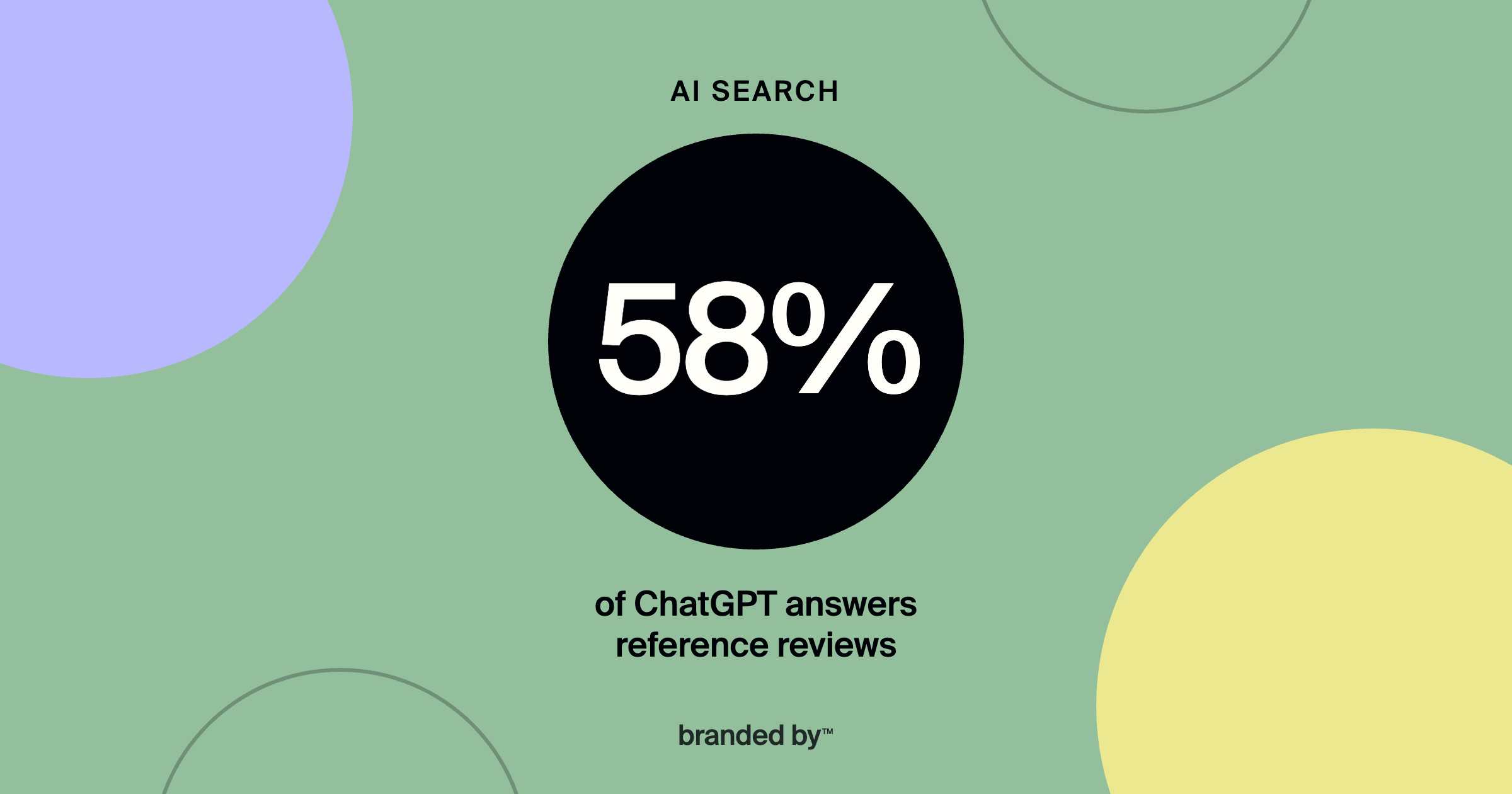
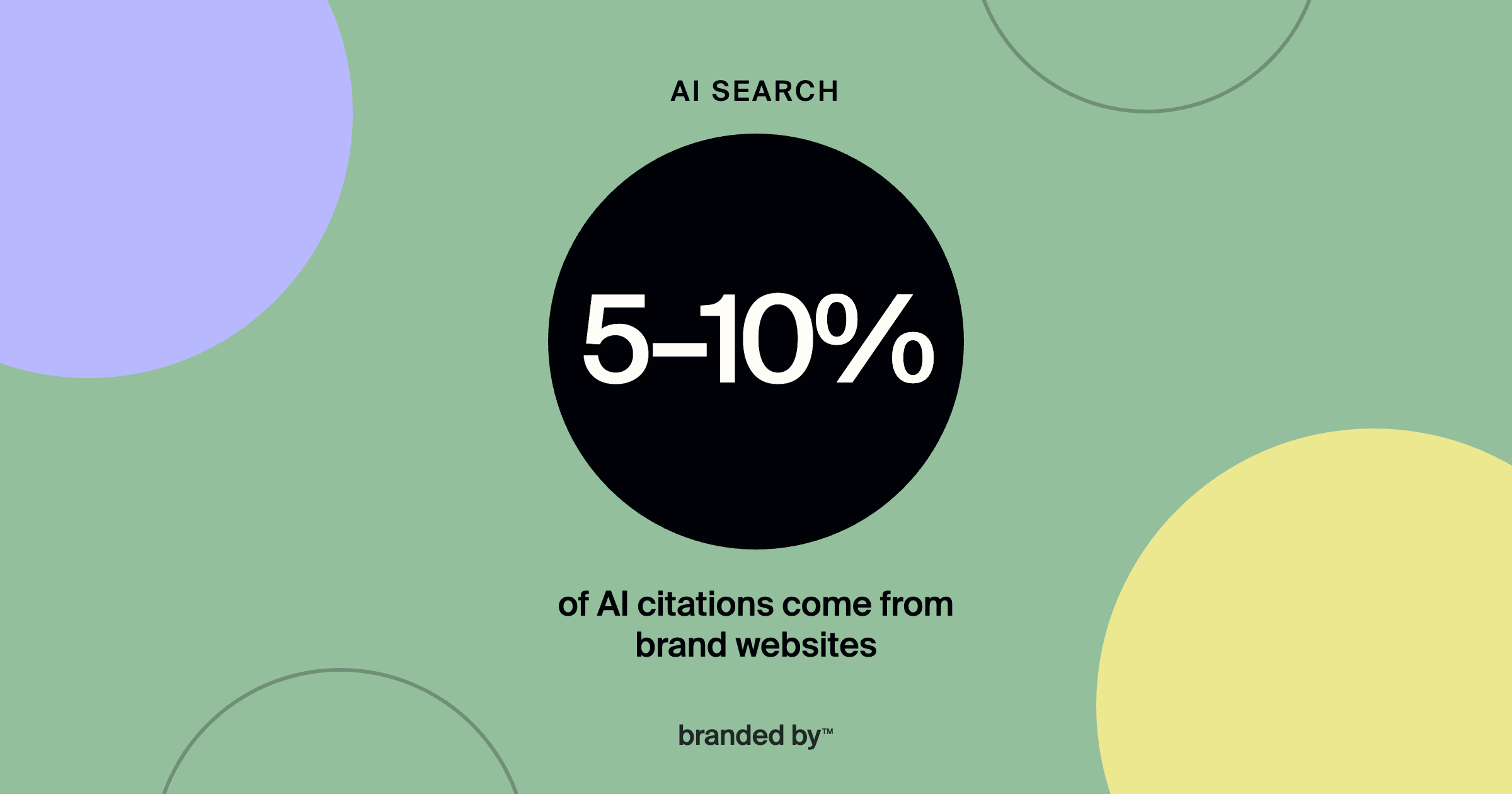
If your organic traffic has declined in the last year while your rankings held steady, there's a very good chance AI Overviews are the explanation. Google's AI-generated summaries sit above the traditional blue links and answer the user's question directly — which means for an increasing share of queries, no click happens at all.
This is genuinely disruptive. The SEO playbook that built your traffic was written for a world where ranking meant clicking. That world is changing. The businesses that adapt now will have a meaningful head start on the ones that wait until the pattern is unmistakable.
Here's the honest assessment of what's happening and the specific strategies that work in this environment.
Key takeaways
- If organic traffic fell while rankings held, AI Overviews are a likely cause.
- Informational queries lose the most clicks; transactional, local and navigational searches still get clicked.
- A citation inside an AI Overview builds brand recognition that shows up later as branded search.
- Original data, deep expertise and comparison content keep earning clicks even when AI summarizes the topic.
What AI Overviews Actually Do to Your Traffic
AI Overviews appear on somewhere between 10% and 15% of Google searches, with higher concentration on informational and research-oriented queries. When they appear, click-through rates on the organic results below them drop significantly — some analyses suggest up to 30–70% depending on the query type.
The queries most affected: "what is," "how to," "why does," "best [thing] for [situation]" — the educational and research queries that many content marketing programs were built to capture. The queries least affected: high-intent transactional queries, local service searches, navigational searches. If someone is searching "plumber near me" or "Salesforce pricing," they're going to click.
The strategic implication is a natural segmentation: prioritize your SEO investment on the query types that still produce clicks, and shift your content strategy to optimize informational content for citation rather than direct traffic.
10–15%of Google searches show an AI Overview
30–70%possible CTR drop on results below it
Becoming the Source Instead of the Result
When your content is cited inside an AI Overview, something interesting happens. Users see your brand name as the authoritative source for the answer they just got. They didn't click through — but they saw your name associated with expertise on the topic. For brand awareness purposes, a cited appearance in an AI Overview can be more valuable than a click from position 3 on a page most users scroll past.
The downstream effect is measurable: brands that appear frequently as cited sources in AI Overviews see their branded search volume increase. Users who get an AI answer citing your brand, then later need the service or product, search for your brand directly. That direct branded search traffic arrives with significantly higher intent and converts at better rates than cold organic traffic.
Getting cited requires different content structure than getting ranked. The content that earns AI citations leads with the answer, uses structured formats (tables, numbered steps, FAQ sections), comes from attributed sources with verifiable expertise, and contains information specific enough to be worth citing rather than information general enough to be synthesized without attribution.
The Content Types That Survive AI Overviews
Not all content is equally threatened by AI Overviews. Understanding which content types retain their click-generation value is how you allocate your content investment going forward.
Original research and proprietary data are largely AI-proof. If you publish a survey of 500 customers in your industry, an AI Overview can mention the study and cite your brand — but it can't reproduce the full dataset. Users who want the actual data click through. Proprietary data becomes a click magnet rather than a click donor.
Deep expertise content — detailed how-to guides, technical tutorials, comprehensive buying guides with hands-on evaluation — earns citations while also generating clicks from users who need the full context rather than the summary. The AI overview says "according to [your brand], the key factors to consider are X, Y, Z" — and users who need to actually understand how to evaluate those factors click through to your complete guide.
Comparison and evaluation content performs well because it requires enough nuance that a brief AI summary can't fully satisfy the user's decision-making need. "X vs Y" and "best [category] for [use case]" content types see less AI Overview impact than general informational content because the user is trying to make a specific decision, not just understand a topic.
Content that still earns clicks
| Content type | Why it survives AI Overviews |
|---|
| Original research and proprietary data | AI can cite the study but can't reproduce the full dataset |
| Deep expertise guides | Readers who need the full context click through past the summary |
| Comparison and evaluation | A brief summary can't settle a specific buying decision |
Optimizing for the Citation Position
If you want your content to be cited inside AI Overviews, the structural requirements are specific. AI systems don't cite randomly — they have patterns that favor certain content formats. Understanding these patterns is how you position your content for maximum citation probability.
The most important structural element is the direct answer at the top. The first 40–60 words of your page should answer the implied question directly, without preamble. AI systems scan for the answer first — if your page takes three paragraphs to reach the point, they find a page that doesn't and cite that one instead.
Structured formatting — numbered lists, comparison tables, FAQ sections with question-format subheadings — produces more citations than prose. These formats are essentially pre-extracted content: the AI doesn't have to work to pull a usable answer from them because the answer is already in a clean, parseable format.
Attribution signals matter. Content from a named author with verifiable expertise, published on a site with established authority in the topic area, is more likely to be cited than anonymous content from a new domain. Build your author profiles, publish your credentials, and accumulate the signals that tell AI systems this source knows what it's talking about.
Lead with the answerAnswer the implied question in the first 40–60 words.
Use structured formatsLists, tables and question-style FAQ headings are pre-extracted for AI.
Build attribution signalsNamed authors, published credentials and topical authority make you citable.
The Local Search Exception
One area where the AI Overview threat is minimal: local service search. When someone asks "who does emergency HVAC repair in Denver" or "best Italian restaurant in Austin," AI systems either defer to local search features (Google Maps, business listings) or generate answers heavily based on review platforms and local directories rather than website content.
For local service businesses, the investment in your Google Business Profile, your review volume and quality, and your local citation consistency matters more than AI Overview optimization. The AI answers local queries differently than informational queries — and local businesses that have strong local authority signals show up in AI local recommendations at high rates regardless of their blog content.
The Brand Search Opportunity
The most actionable opportunity in the AI Overview era isn't defensive — it's offensive. Brands that consistently earn AI citations in their category build branded search volume as a byproduct. Users see your brand in AI answers, remember it, and search for it directly when they're ready to buy.
This branded search is high-value traffic: visitors who searched specifically for you have much higher intent and conversion rates than visitors who found you through generic keyword clicks. The AI Overview that cited you and generated no direct click may have still introduced your brand to someone who becomes a customer through a direct branded search three weeks later.
Tracking this dynamic requires connecting your AI citation monitoring to your branded search volume trends in Google Search Console. If your branded search is growing while your informational keyword traffic is declining, the AI is working in your favor. The citation strategy is doing exactly what it's supposed to do.
Not sure whether AI answers include you at all? The free AI recommendation check runs the questions your customers ask and sends you a report.
Frequently Asked Questions
Do AI Overviews reduce website traffic?
Often, yes. When an AI Overview answers the question directly, fewer people click the organic results below it, especially for simple informational queries. Rankings can hold steady while clicks drop.
How do I get my content cited in AI Overviews?
Answer specific questions directly near the top of the page, use clear question headings, include original data or experience AI can't find elsewhere, and build topical authority with related, interlinked content.
How can I see AI Overview traffic in Google Search Console?
Search Console's Generative AI report shows impressions for AI features by page, country, device, and date, but not clicks or queries. See How to Measure AI Search Impact in Google Search Console for a three-step audit that fills the gap.
Related Articles