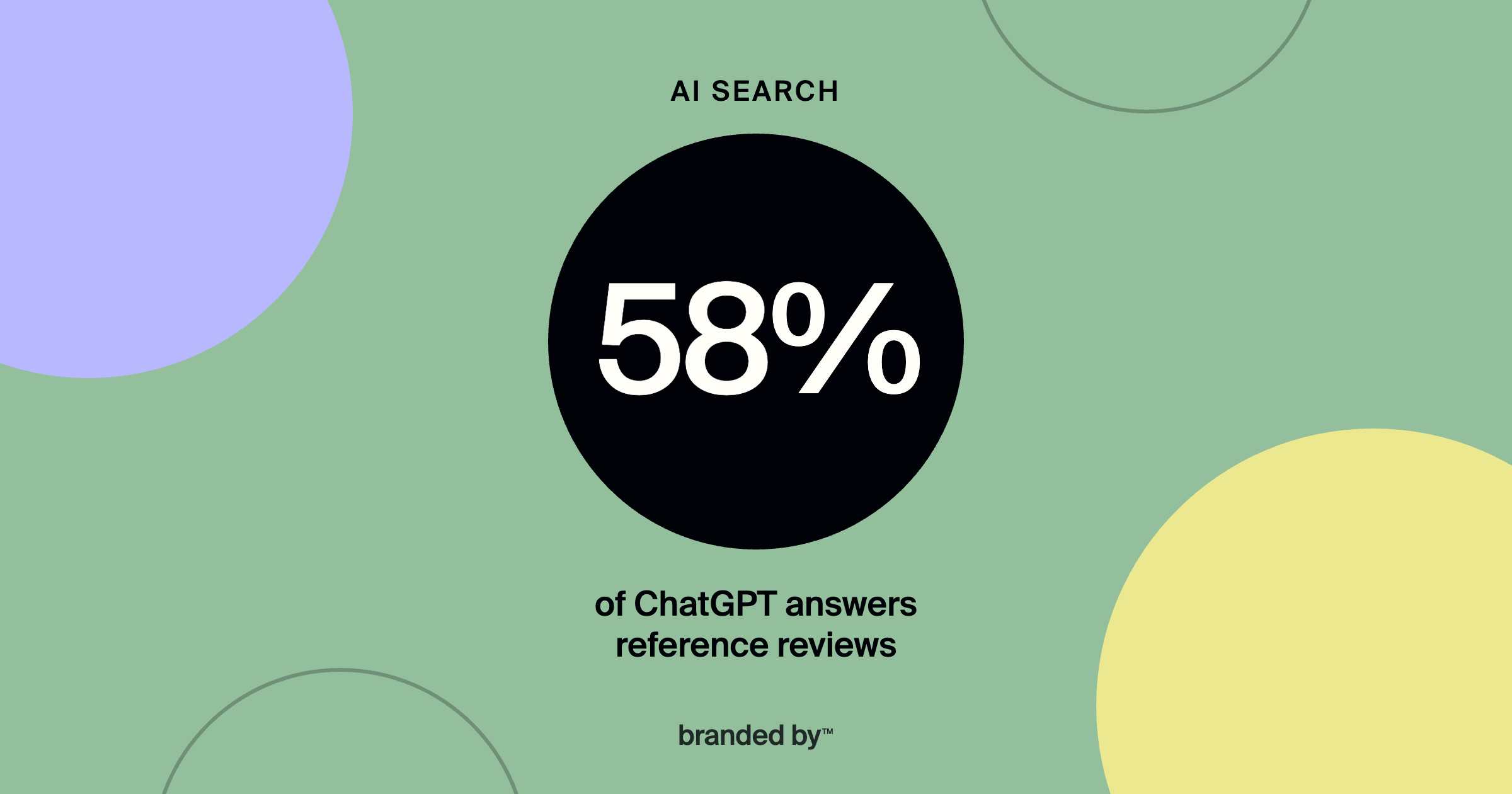
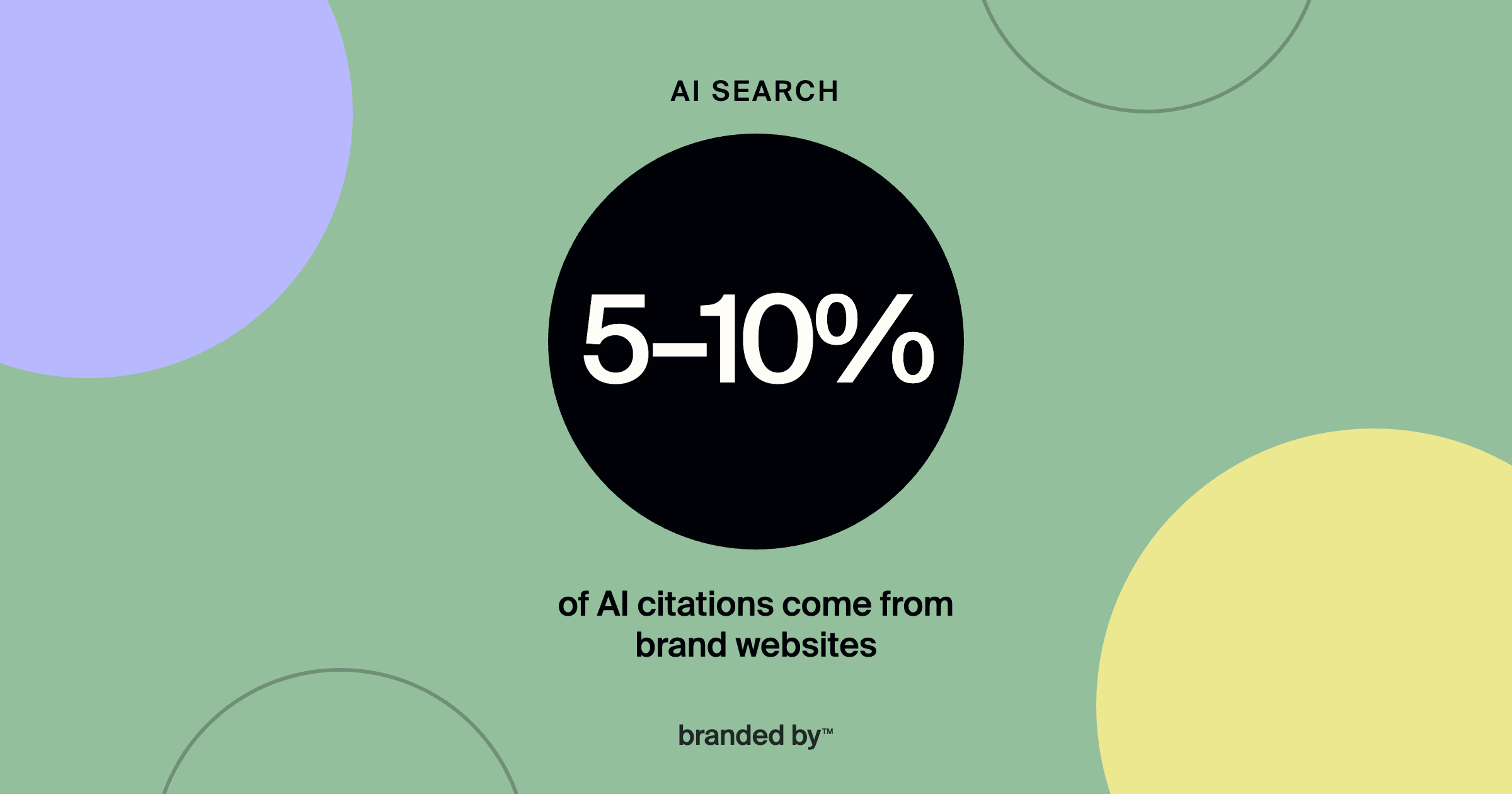
FAQ sections have been a staple of SEO best practice for years — primarily because they help capture featured snippet and People Also Ask positions on Google. In the AEO era, their value has compounded significantly: a well-structured FAQ is one of the most consistently cited content formats by ChatGPT, Perplexity, Gemini, and Google's AI Overviews.
The reason is simple. AI engines are fundamentally question-answering machines. A piece of content that's already formatted as explicit questions with concise, complete answers is essentially pre-packaged for citation. The AI doesn't need to extract the answer from prose — the structure hands it over directly.
Most FAQ sections, however, are built to check an SEO box rather than to genuinely answer questions. Here's what the difference looks like in practice.
Key takeaways
- AI engines are question-answering machines, so a well-built FAQ is pre-packaged for citation.
- Pull questions from real behavior (searches, support inbox, sales calls, forums), not marketing copy.
- Group differently worded questions by intent and write one definitive answer per cluster.
- Review FAQs quarterly and whenever your service, pricing or process changes.
The Five Characteristics of Citable FAQs
1. Questions that match actual search behavior. The questions in your FAQ should be derived from real data: keyword research, People Also Ask boxes, your own customer support inbox, sales call recordings, and community forums in your category. "What makes your product different?" is a marketing question. "How long does [service] take?" and "What's included in [package]?" are the questions people actually type into AI engines. Start with real queries, not hypothetical ones.
2. Direct answers that stand alone. Each answer should be complete in itself. A reader who sees only the question and the answer — without reading the rest of the article — should come away with a complete, actionable response. Answers that say "see the section above" or "it depends" with no further elaboration are not citable. If it depends, explain what it depends on and what the typical answer is in each scenario.
3. The right answer length. For AI citability, 40–80 words per answer is the sweet spot. Long enough to be complete; short enough to be extractable without editing. Answers under 20 words often miss necessary context. Answers over 150 words often dilute the central answer with qualifications and edge cases.
4. Structured sub-answers where appropriate. Some questions have answers that are naturally list-like: "What does [service] include?" "What are the steps in [process]?" For these, use a brief prose lead-in followed by a bulleted or numbered list. The structure makes the answer even more extractable than prose alone, and lists are one of the formats AI systems most reliably reproduce in citations.
5. Question and answer semantic alignment. The language in the answer should mirror the language of the question — including the exact terms the user would use. If the question uses "cost," the answer should use "cost," not "investment" or "pricing." This isn't about keyword stuffing; it's about semantic consistency that makes it immediately clear the answer corresponds to the question.
How long an FAQ answer should be
| Answer length | What happens |
|---|
| Under 20 words | Often misses necessary context |
| 40–80 words | Complete, and short enough to extract without editing |
| Over 150 words | The central answer gets diluted by edge cases |
Where to Place FAQs for Maximum Impact
The placement of your FAQ content matters almost as much as the quality of the content itself. The highest-performing FAQ placements are at the bottom of service pages, product pages, and blog articles — directly after the main content. This position means the FAQ is indexed alongside the primary content on the page, giving the AI multiple extractable signals from a single URL.
For high-volume informational topics, a dedicated FAQ hub — a page organized around every question your audience asks about your category — can become one of your most cited properties. The hub model works best when each question links to a longer piece of content that covers the topic in depth, creating a structure where the FAQ earns the citation and the full article converts the click.
How to Research the Right Questions
A complete FAQ research process looks like this: start with a keyword tool to identify the high-volume questions in your category. Then layer in People Also Ask data from Google for your primary keywords. Then review your own customer support inbox and sales call notes for the questions that come up repeatedly. Then check forums and communities (Reddit, industry-specific groups, LinkedIn discussions) for the questions people are asking that formal content hasn't answered well. Finally, ask your sales team what objections they hear most often before a close — these are the questions prospects research privately before engaging you directly.
This five-source methodology consistently surfaces a richer set of questions than keyword research alone, and the non-keyword questions often perform better in AI citability because they're less competed and more specific.
Keyword researchFind the high-volume questions in your category.
People Also AskLayer in Google's related questions for your primary keywords.
Support and sales notesCollect the questions customers raise again and again.
Forums and communitiesCheck Reddit, industry groups and LinkedIn for questions content hasn't answered well.
Sales team objectionsAsk what prospects push back on most before a close.
What Is a Query Cluster in AEO?
A query cluster is a group of questions that share the same underlying intent, even though people phrase them differently. "How long does a roof replacement take," "roof replacement timeline," and "how many days to reroof a house" are one cluster: they all want the same answer.
In AEO, you build around clusters instead of single keywords because AI engines don't match exact phrases — they fan a user's prompt out into related sub-questions and pull the best answer for each. One strong, direct answer that covers the whole cluster (with the variations addressed in the same section or FAQ) is far more likely to be cited than five thin pages each targeting one phrasing.
In practice: gather the questions from the five sources above, group them by intent, write one definitive answer per cluster, and use the most common phrasing as the question heading.
Building a Topic Cluster Around Your FAQ
A standalone FAQ page is useful. A FAQ page that sits at the center of a well-structured topic cluster is exponentially more powerful for both traditional SEO and AI citability.
The topic cluster model works like this: your FAQ page covers the ten to fifteen most common questions in your category at a summary level — each answered in 50–80 words. Each of those answers links to a longer, dedicated article that covers the topic in depth. The longer articles link back to the FAQ as the authoritative summary. Internal links flow both ways, reinforcing the topical relationship between the content.
This structure tells AI systems that your site is the authoritative source on this topic — not just one piece of content that happens to answer a question, but an interconnected body of work that covers the topic from multiple angles at multiple depths.
Multi-Format FAQ Distribution
FAQ content doesn't have to live only on your website to generate citations. LinkedIn articles and posts structured as Q&A perform well for professional-context citations — particularly for B2B brands. A LinkedIn post that opens with a specific question and answers it in three clear paragraphs is a directly citable piece of content that takes 20 minutes to create.
YouTube video descriptions that include a text FAQ create a secondary citation surface on a platform that AI systems increasingly index. Email newsletters that use a Q&A format build a citation-ready content library over time. Newsletters republished on platforms like Substack or Beehiiv are indexed by search engines and AI systems, extending the reach of FAQ content beyond your direct subscriber base.
FAQ content beyond your website
| Channel | Why it works |
|---|
| LinkedIn Q&A posts | Cited in professional contexts and quick to create |
| YouTube descriptions with a text FAQ | A second surface AI systems increasingly index |
| Q&A newsletters on Substack or Beehiiv | Indexed by search engines and AI beyond your subscribers |
The Schema Markup Layer
FAQ Schema markup is the technical implementation that tells search engines your content is formatted as questions and answers. When implemented correctly, it increases the probability that your FAQs appear in rich results in traditional search and it makes your content more parseable by AI systems that are specifically looking for structured data.
Implementing FAQ Schema is straightforward: it's a JSON-LD snippet added to the page's HTML that identifies each question-answer pair. Most CMS platforms either have built-in support or plugins that handle it. One important note: FAQ Schema should only be applied to content that is genuinely structured as questions and answers. Match the implementation to the content format, not the other way around.
Internal Linking Strategy for FAQ Content
From your FAQ pages, link to the in-depth articles that expand on each answer. These outbound links signal topical depth and help AI systems understand that your brief answers are backed by comprehensive coverage. From your in-depth articles, link back to the FAQ as the authoritative starting point. From your service and product pages, link to FAQ content that directly addresses the concerns of buyers at that stage.
FAQ content that exists in isolation — no links in, no links out — accumulates authority slowly and generates citations inconsistently. The internal linking pattern should make it easy for both users and AI systems to navigate from a summary-level answer to a comprehensive treatment of the same topic, and back again.
Maintaining and Updating Your FAQ Content
FAQ content has a longer shelf life than most content types — the questions people ask about a category tend to be fairly stable over time. But they do evolve, and outdated answers are worse than no answers: they erode trust if a prospect discovers the information is no longer accurate.
The right maintenance cadence for most FAQ sections is a quarterly review. Check whether the answers are still accurate, whether the questions still reflect how people are actually asking, and whether there are new questions that should be added based on what's come through your support inbox or sales calls in the last quarter.
The most important update trigger is any significant change to your service, pricing, or process. When the underlying answer changes, the FAQ answer must change to match — even if the question itself stays the same. An FAQ that was accurate six months ago and is now misleading is a trust liability, not an asset.
Measuring FAQ Performance
In Google Search Console, you can segment for question-format queries and track both impressions and CTR for your FAQ-targeted pages. If your FAQ pages are earning impressions on question queries but not clicks, the issue is usually that the title tag or meta description doesn't signal that the page contains the direct answer. Update them to be more answer-forward.
For AI citability specifically, the measurement is more manual: use AI search tools directly and ask the questions your FAQ targets. See whether your brand comes up as a cited source. If you're not appearing but a competitor is, compare your FAQ structure to theirs and identify what they're doing that you're not. This direct testing is the fastest feedback loop available for AEO optimization.
Want to know which of those high-intent questions AI already answers with your name? The free AI recommendation check runs them and sends you a report.
Frequently Asked Questions
What is a query cluster in AEO?
A query cluster is a group of search queries or AI prompts that share the same intent but use different wording. AEO strategies target the whole cluster with one definitive answer, because AI engines match meaning rather than exact keywords.
Do FAQ sections help with AEO?
Yes. Question-and-answer formatting is one of the easiest structures for AI engines to extract and cite, as long as each answer is direct, complete on its own, and based on questions people actually ask.
Should I use FAQ schema for AEO?
Yes. FAQ schema (FAQPage structured data in JSON-LD) makes your questions and answers machine-readable. Google shows FAQ rich results far less often than it used to, but the markup still helps search engines and AI systems understand your content.
Should every blog post have an FAQ section?
Add one when there are real, distinct questions the post doesn't already answer in its headings. Three to six genuine questions beat a long list of padded ones — and duplicating the same FAQ across many pages adds nothing.
How long should an FAQ answer be for AI citation?
Aim for roughly 40–80 words: long enough to fully answer the question, short enough to be quoted whole. Lead with the answer in the first sentence, then add the one or two details that make it useful.
Related Articles