Ask ChatGPT for the best pool filter, the best CRM, the best white label cleaning supplier. It gives you two or three names. Not a page of links. Two or three names.
That's the whole game now. If your brand is one of those names, you get the customer. If it's not, you don't exist in that conversation at all. Before you keep reading, test it on your own brand:
Free AI Visibility Check
Would ChatGPT actually recommend you?
We'll ask ChatGPT the same question a customer would (in three different ways) and tell you if your name comes up.
Asking ChatGPT three different ways...
Key takeaways
- Brand websites are only 5 to 10 percent of what AI systems cite; the rest is reviews, Reddit, comparison sites and trade coverage.
- Your Yelp and Google reviews now feed directly into what ChatGPT says about local businesses.
- ChatGPT Ads went self-serve on May 5, 2026, with no minimum spend.
- Earning a citation and buying an ad reward the same signals.
Most of what AI cites isn't your website
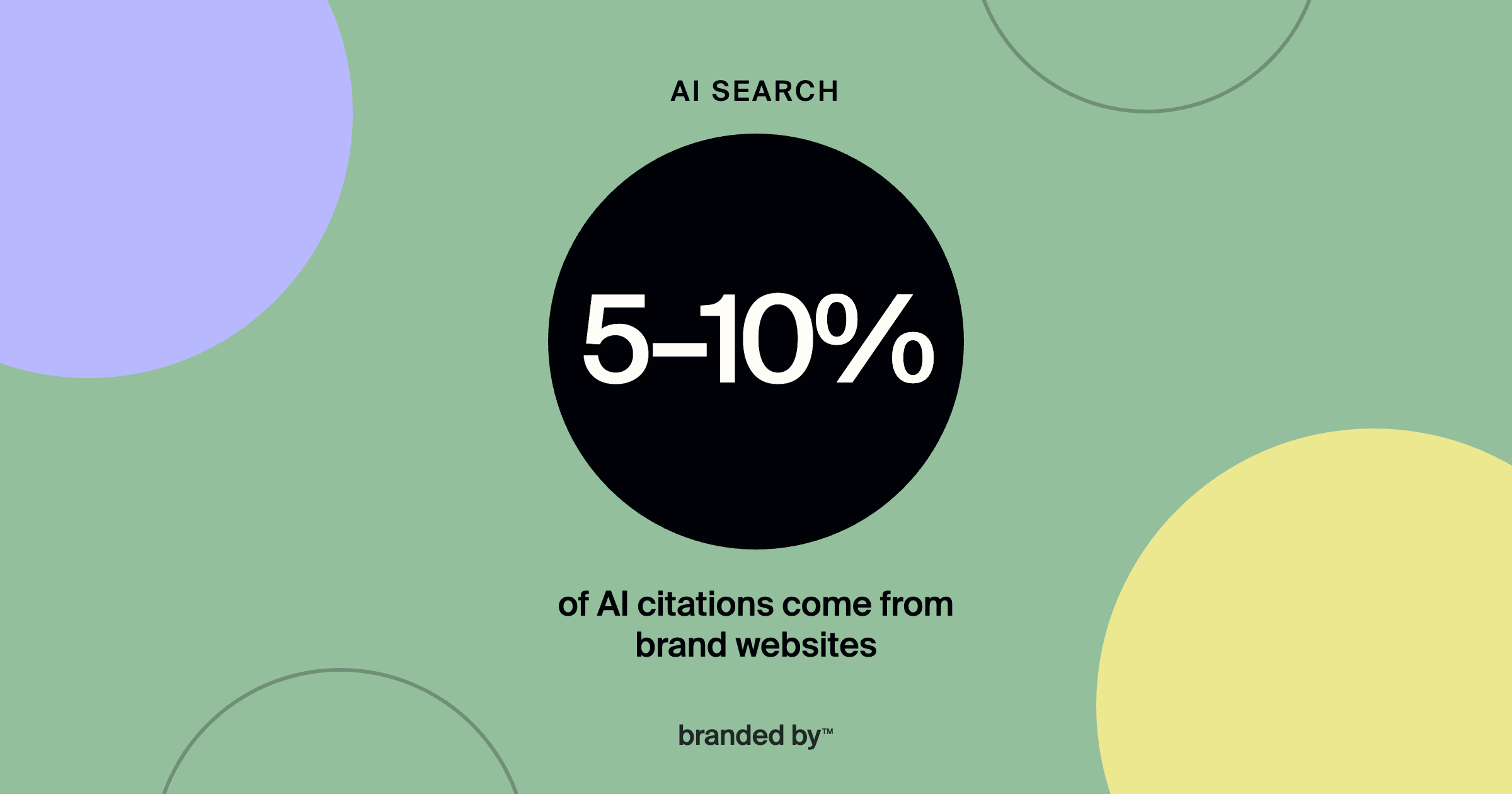
Here's the number that should change how you think about content: brand websites make up only 5 to 10 percent of the sources AI systems cite when they answer a question. The other 90 to 95 percent comes from reviews, Reddit, Wikipedia, comparison sites, and industry publications talking about you, not you talking about yourself.
That flips the old SEO playbook. You can't just optimize your own site and wait. AI models are reading what other people say about you and treating that as more trustworthy than your homepage copy.
A few things actually move the needle, based on current research from Bigeye and CXL:
- Get talked about somewhere other than your own site. Reviews on G2, Capterra, Trustpilot. Answers on Reddit and Quora. Coverage in trade publications. This is where AI is actually pulling its citations from.
- Structure content so AI can lift it directly. AI systems tend to grab the first 40 to 80 words after a heading. If your page opens with three paragraphs of throat-clearing before the actual answer, it's getting skipped.
- Say the same thing about yourself everywhere. Your description of what you do needs to match across your site, your directory listings, and your social profiles. Inconsistent descriptions confuse the model about what category you're even in.
- Publish something nobody else has. Original data and proprietary research get cited more, because AI can't get that information anywhere else. Research tied to this points to as much as a 30 percent lift in visibility.
- Use schema markup. Pages with it properly implemented are getting cited roughly 3.2 times more often on competitive topics.
This isn't a someday problem. ChatGPT has 800 million weekly users. Google's AI Overviews now show up in roughly 30 percent of all US searches. Six in ten searches now end without a single click, because the AI already gave the answer. And the traffic that does come from AI referrals converts at about 4.4 times the rate of a normal organic visitor. Whoever gets recommended is winning a customer that's already decided you're the right pick before they land on your site.
What moves an AI recommendation
| Lever | What to do | Why it matters |
|---|
| Third-party mentions | Reviews, Reddit and Quora answers, trade coverage | 90 to 95 percent of AI citations come from sources other than brand sites |
| Liftable structure | Put the answer in the first 40 to 80 words after a heading | AI tends to grab that first passage |
| Consistency | Describe yourself the same way everywhere | Inconsistency confuses the model about your category |
| Original data | Publish research nobody else has | Up to a 30 percent lift in visibility |
| Schema markup | Implement it properly | Cited roughly 3.2 times more often on competitive topics |
Your reviews aren't just an AEO tactic anymore, they're a licensing deal
On July 23, 2026, Yelp signed a deal to license its reviews, ratings, and photos directly into ChatGPT. When someone asks about a local business now, ChatGPT can pull straight from Yelp instead of guessing from whatever it scraped off the open web. Yelp's CEO said it plainly: “If you want to answer local queries, you really need Yelp.” Read the details from Axios.
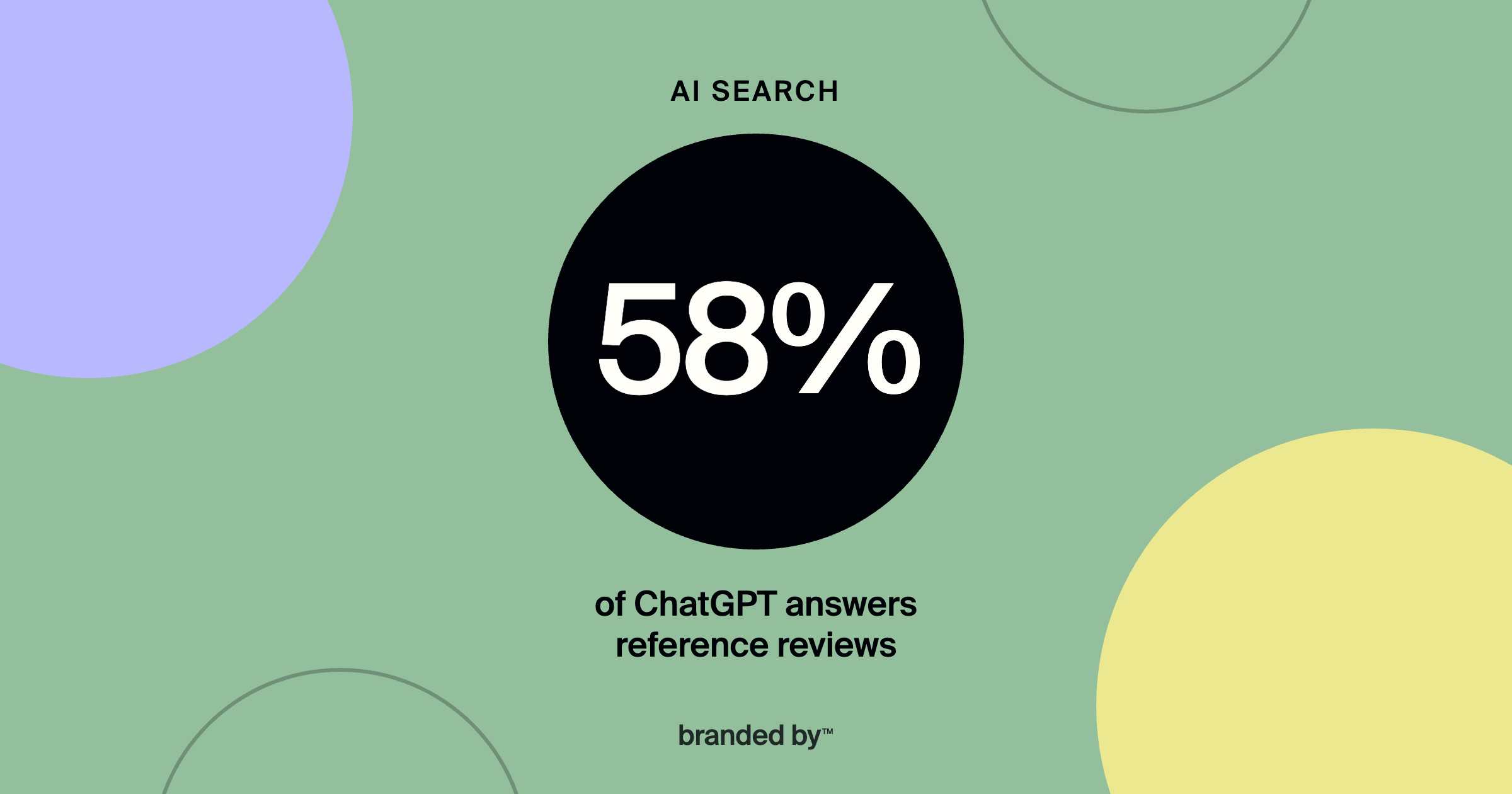
That makes your Yelp reviews a direct input into what ChatGPT tells people about your business, not background noise anymore. Google works the same way. Your Google Business Profile is the primary data source AI systems pull from when someone asks for a local recommendation. ChatGPT already references reviews in 58 percent of its answers. Perplexity does it in 100 percent of them.
The bar isn't high, but almost nobody is clearing it. Most local service categories need around 30 reviews at 4.3 stars or higher to even show up, and 97 percent of businesses have no strategy for getting there. A steady trickle of 2 to 4 new reviews a week counts for more than the star rating alone. More on that from PushLeads.
If your Yelp and Google review counts are thin, this is the fastest lever available. Faster than schema markup, faster than a PR push. Ask a happy customer for a review this week, then do it again next week.
OpenAI just decided recommendation could also be a line item
While brands are fighting to earn a free citation, OpenAI opened a second door: paying for one.
ChatGPT Ads Manager went fully self-serve for US businesses on May 5, 2026, with no minimum spend. That's a real shift. The pilot version required a $200,000 minimum. Now anyone can run a meaningful test for under $5,000.
How it actually works:
- Ads run on a relevance-weighted auction. A well-matched ad on a modest bid can beat a generic ad backing a bigger bid. Relevance counts more than budget.
- CPC bids start around $3 to $5. Bid under $3 and you likely don't deliver.
- CPM runs roughly $25 to $60 per thousand impressions, down from the flat $60 the pilot charged.
- Targeting is based on conversational context, not keywords or prompt content. OpenAI doesn't hand advertisers what people are actually typing. You're bidding on the shape of the conversation, not the words in it.
- Ads only show to Free and Go tier users. Anyone paying for Plus, Pro, or Enterprise sees none of it.
Read the full breakdown from Flyweel if you want the mechanics.
$3–5typical starting CPC bid
$25–60CPM, down from a flat $60 in the pilot
<$5,000for a meaningful test
The two paths aren't competing, they're the same problem
Earning an organic AI citation and buying a ChatGPT ad slot solve the same underlying issue: does the model even know who you are and why you're relevant. AEO builds that foundation. Ads buy you visibility on top of it while the foundation is still being built.
A brand with no third-party presence and no structured content is going to get a worse deal from ChatGPT Ads too, because that relevance-weighted auction rewards the same signals AEO is built on. The two aren't separate strategies. One is free and slow. One is fast and costs money. Both are asking the same model the same question: does this brand deserve to be the answer.