August 18, 2026
Will AI Recommend Your Brand? (And Why OpenAI Just Started Selling the Answer)
Test whether ChatGPT recommends your brand, then see why Yelp reviews, Google Business Profile, and OpenAI's new ad platform all decide the answer.
A homeowner needs a plumber. Ten years ago they Googled it and clicked a blue link. Five years ago they filled out a form on Angie's List and waited for five companies to call them back. Today they ask ChatGPT "who's the best plumber near me" and get one or two names, no links, no comparison shopping. If your company isn't one of those names, you don't just rank lower. You don't exist in that conversation at all.
Home service companies have been here before. Angie's List, HomeAdvisor, and Thumbtack all did the same thing: inserted themselves between you and the homeowner, took a cut, and made sure you couldn't get around them without paying. AI search is doing it again, except this time the toll booth is barely built yet, and the businesses that show up in the answer before everyone figures that out are going to have a real head start.
Here's the full picture, what's actually new about it, and what we've seen work.
Key takeaways
If you're a home service company spending real money every month on Angie's List, HomeAdvisor, Thumbtack, or Google Local Service Ads, the uncomfortable math is this: you're not building a customer base, you're renting access to a stranger who's shopping three to five of your competitors at the same time.
Early in my career I audited a home service provider running in more than thirty cities, doing millions of dollars a month in revenue, spending six figures a month on Google Ads and another five figures a month on lead-platform leads. When we actually traced where that money went, three things stood out. They were being billed more than once for the same lead. A real chunk of the "leads" were fake, submitted by nobody who ever intended to hire anyone. And some of the small companies showing up alongside them in results, the ones with names like a father-and-son plumbing outfit, weren't real service providers. They were storefronts built to capture homeowner data and resell it, some of them buying and reselling leads from third-party brokers on top of that.
Underneath the scam-adjacent stuff, the data told a cleaner story too. Leads that didn't get a callback inside five minutes saw their odds of booking drop fast, because the platform trains homeowners to expect near-instant contact from several companies chasing the same request at once. The same homeowner would show up as a paid lead-platform lead, then show up again days later as a paid Google Ads lead, meaning the business paid twice for one customer. And the job economics diverged hard by channel. Lead-platform leads closed smaller jobs at a higher cost per sold job. Google Ads leads closed bigger jobs at a lower cost per sold job. Same market, same company, two channels producing worse customers at a higher price and better customers at a lower one.
None of that is a knock on your sales team. It's how those platforms are built to work. A lead that comes through Angie's List sees a handful of star ratings, maybe, before they call. They never see your site, your story, or why you charge what you charge. They're comparing phone numbers, not companies, and when price is the only thing to compare, price is what decides it. We broke down the full math on rented leads here if you want the numbers behind it.
Here's what makes this moment different from every other "the algorithm changed" scare home service marketing has lived through: for most of 2026, there was no way to pay ChatGPT to recommend you. Angie's List always let you buy your way to the top. Google Ads still does. AI answer engines mostly didn't, which meant the only lever was actually being the kind of business worth recommending.
That window is closing. Two things happened this year that change the math specifically for home service companies, not brands in general.
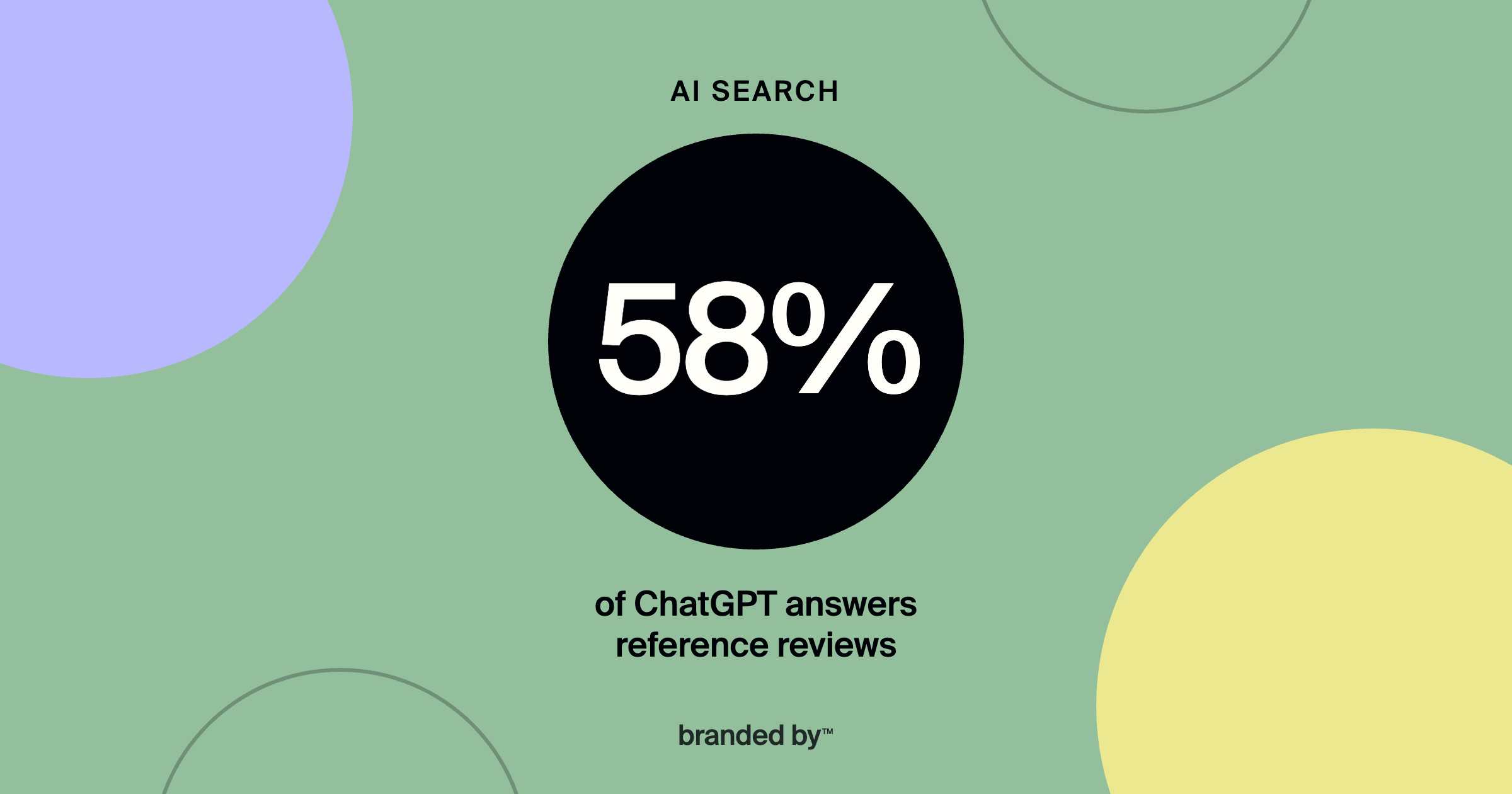
Yelp handed OpenAI the keys to local recommendations. On July 23, 2026, Yelp signed a deal to license 330 million reviews, ratings, and photos directly into ChatGPT. When someone asks ChatGPT about a local business now, it can pull straight from Yelp instead of guessing from whatever it scraped off the open web. Yelp's CEO put it plainly: “If you want to answer local queries, you really need Yelp.” This matters more for a plumber or an HVAC company than it does for most brands, because Yelp reviews were already the single lever local service businesses had always pulled to win trust. That lever now plugs directly into the model deciding who gets recommended. ChatGPT already references reviews in 58 percent of its answers. Perplexity does it in 100 percent of them. Most local service categories need around 30 reviews at 4.3 stars or higher to even clear the bar, and 97 percent of businesses have no strategy for getting there.
OpenAI opened a self-serve ad door. ChatGPT Ads Manager went fully self-serve for US businesses on May 5, 2026, no minimum spend required. The pilot version required a $200,000 minimum; now anyone can run a real test for under $5,000. That's the same shape as the Google Local Service Ads program that home service companies already know how to budget for, except it's a brand-new channel with less competition bidding against you today than there will be in a year.
We covered the mechanics of both of these in more depth in Will AI Recommend Your Brand?; the widget below is the same tool from that piece.
Put those two together and you get the actual strategic picture: the free path (earn the citation through reviews and structured content) and the paid path (buy visibility through ChatGPT Ads) are opening at the same time, and they reward the same underlying signals. A business with thin reviews and no structured service pages is going to get a worse deal in the AI Ads auction too, because that auction is relevance-weighted off the same trust signals AEO is built on. This isn't two strategies. It's one, with a free lane and a fast lane that both dead-end at the same question: does this business deserve to be the answer.
See where you currently stand before reading further. This runs three live ChatGPT queries for your category and location and shows you exactly what it says.
Free AI Visibility Check
We'll ask ChatGPT the same question a customer would (in three different ways) and tell you if your name comes up.
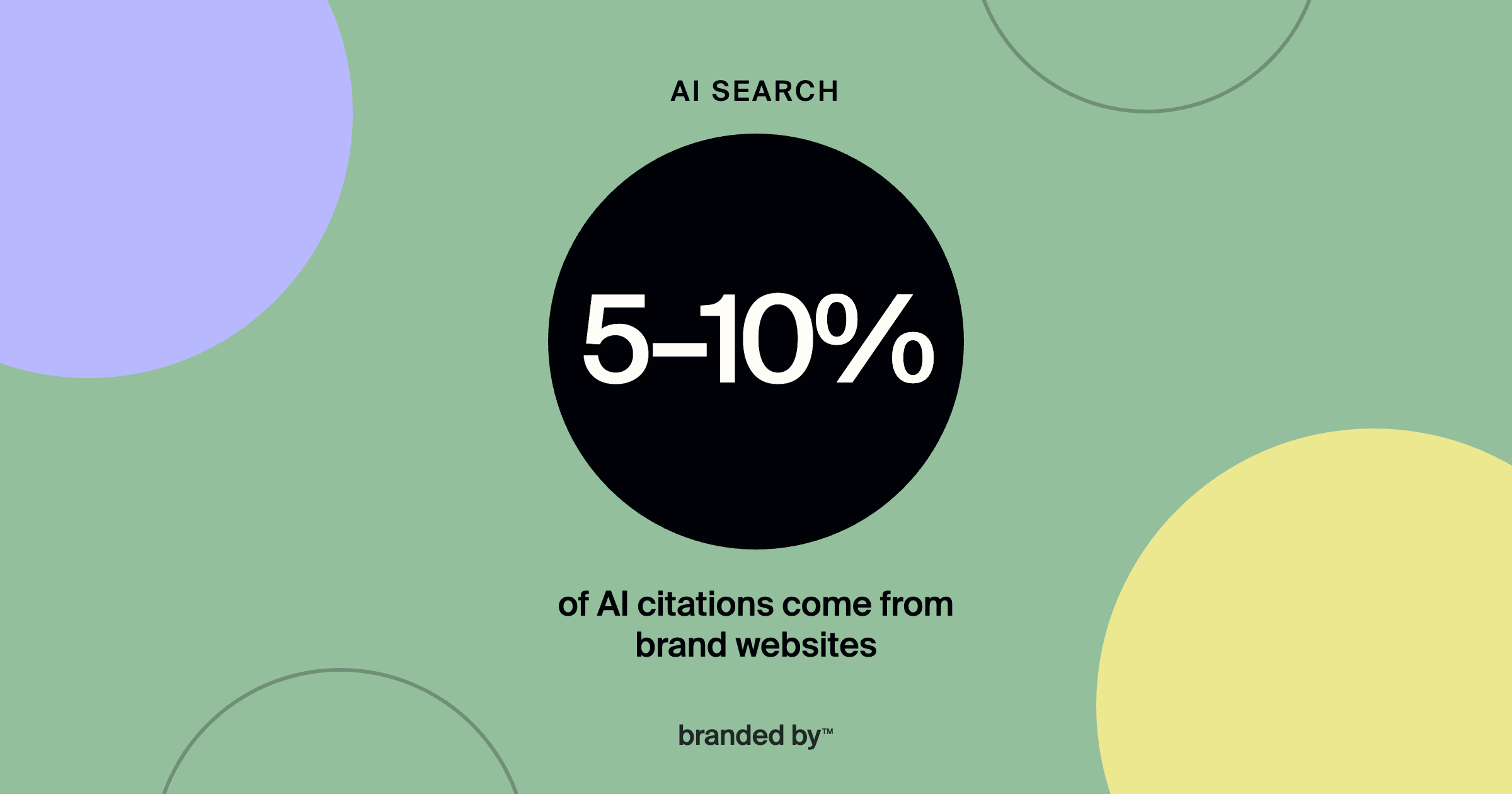
Google added a real Generative AI report to Search Console this year, under Performance, showing impressions from AI Overviews, AI Mode, and Google Discover. It's a real signal: a growing share of "who does X near me" queries never produce a click at all, because the AI already gave an answer. Google's AI Overviews now show up in roughly 30 percent of all US searches, and six in ten searches end without a single click. ChatGPT alone has 800 million weekly users. And the traffic that does convert from an AI referral converts at about 4.4 times the rate of a normal organic visitor, because the customer has already decided you're the right pick before they land on your site.
That report only shows impressions, not clicks, not which query triggered it. But the pattern it's pointing at is the one that matters for home service businesses specifically: when someone asks an AI engine "who's the best plumber near me" or "who does emergency HVAC repair in Denver," that's not a keyword search, it's a categorical question, and AI engines are built to answer exactly that kind of question with a short, confident list of names. Service categories are where this hits hardest, because the intent is already so specific. Nobody asks an AI to browse; they ask it to decide.
Winning that answer isn't a ranking game anymore, it's an entity-authority game, and it's won on signals most home service companies have never touched:
Here's the part most agencies skip, and it's the part that makes everything above actually work: none of this matters if you can't tell where your leads are coming from or what happens to them after they call. It's also, unglamorously, the same infrastructure that produces the reviews and the review timing that AI engines now weight so heavily.
The first thing we do with almost every new client isn't the ad campaign. It's the CRM. We start every client on HubSpot's free CRM and push it as far as it goes before ever recommending a paid tier. Every marketing channel, organic search, Google Ads, Facebook, walk-ins, referrals, gets its own tracked line through CallRail, and that source gets written straight onto the contact record. Every lead moves through a real pipeline, not a phone log or someone's memory, from first contact to closed-won or closed-lost.
That pipeline is also what makes a real review-request process possible: knowing exactly which job closed, when, and for which customer is the difference between a random ask and a steady, weekly trickle of specific, recent reviews, which is the fastest lever a thin Yelp or Google profile has available. Faster than schema markup, faster than a PR push.
This isn't just record-keeping, either. It directly makes your ad spend smarter. Google's automated bidding, Maximize Conversions, is only as good as what you tell it counts as a win. Feed it every form fill and it'll spend your budget finding more people who fill out forms and never buy. Feed it real qualified leads and closed customers instead, tracked back through a Google Click ID to the actual ad that produced them, and the algorithm starts finding more of those. That loop doesn't exist if your CRM is a spreadsheet or doesn't exist at all.
We don't just tell clients this works. Here's what happened when we did it.
Hot Springs Pools & Spas had been in business 34 years, two locations, when they became a client. They had the classic problem: the same phone number ran on the website, every Google Ads campaign, print signage, and every location's Google Business Profile. A call could have come from anywhere, and there was no way to tell. Leads were getting missed and nobody knew it was happening.
We rebuilt the brand and the site, gave every channel its own tracked number, routed every call into HubSpot tied to a specific salesperson, and built real sales pipelines for their two very different products, hot tubs and in-ground pools, instead of forcing both through one generic pipeline.
Three years later, the system has logged 6,939 tracked calls, with 91.5% answered and 60.3% first-time callers. Monthly tracked call volume has roughly doubled, from about 210 calls a month in the system's first six months to over 445 a month recently. 67% of that volume originates from the website itself, not a lead platform. The HubSpot account now holds over 17,000 contacts across two active pipelines. And this year, part of the ongoing work has been rewriting their location pages specifically so they're readable by AI search tools, with real storefront photos and addresses instead of a stock-photo template, exactly the entity-authority work described above, and exactly the kind of page a Yelp-fed ChatGPT answer would need to find credible.
Hot tub sales were up 40% in the first quarter after the rebrand and new site launched, and the business has grown from two locations to four in the three years we've worked together.
None of that is complicated. It's the unglamorous stuff, tracking, tagging, follow-up, structure, done consistently, with real data behind every decision, feeding both the ads algorithm and, now, the AI engines deciding who to recommend.
The fix for both problems, rented leads and AI invisibility, is the same investment: build owned brand assets and a real digital presence so your company controls its own lead flow and is structured to be the answer AI engines give, instead of renting access to homeowners who are also getting five other calls that same hour, on a platform, old or new, that can change the rules on you whenever it wants.
We built our pricing around that exact transition, not a one-size package:
Foundation is the entry point for businesses focused on lead generation: a one-page conversion-ready website, Google Ads setup and management, local visibility work, and a dedicated account manager. This is where a company stops paying per lead and starts owning a real channel.
Growth adds positioning: a three-page site, your actual brand mark, color, and typography, and Meta Ads management. This is the stage where homeowners start recognizing your business before they ever request a quote.
Partnership adds a five-page site, full graphic and social guidelines, and multi-channel advertising. This is the tier built for companies ready to stop competing on price and dominate their market on brand and authority.
All three carry a three-month minimum, because replacing a rented pipeline with an owned one, and building the kind of AI-era entity authority described above, takes a real runway, not a one-off campaign.
Not necessarily on day one. They're not without a use case for a business just getting started with no other channel. But if you've outgrown paying per lead for homeowners who are also getting several other calls that same hour, redirect that spend into owned assets that compound instead of resetting every month.
Yes, more than for most brands. Yelp reviews were already the primary trust signal local service categories relied on. Now those reviews feed directly into what ChatGPT tells someone asking for a recommendation, so a thin or outdated Yelp profile is a more direct liability than it was a year ago, and a strong one is a more direct asset.
For businesses that already have Google Ads and Local Service Ads dialed in, it's worth a real test now while the minimum spend is low and the competition bidding against you is thinner than it will be once every competitor catches on. It's not a replacement for the AEO fundamentals; the same relevance signals decide how far your ad dollars go.
It shifts the win condition from ranking to being cited. AI engines answer categorical questions like "who does emergency HVAC repair in Denver" with a short list of names, pulled from your website structure, your Google Business Profile, your reviews, and your NAP consistency across the web. A business with strong local entity signals will out-rank a business with only a nice website.
This applies most directly to companies doing somewhere between one and ten million dollars a year, past the point where a single lead platform can fund growth, but before there's an internal marketing team to build this in-house. We've worked with businesses from $300,000 to $50 million and up.
Entity authority and AI citation take real time to build, typically 2 to 3 months for longer-tail queries, 4 to 6 months for competitive local service queries, and 6 to 12 months for the kind of consistent presence that materially moves inbound lead volume. On the brand and tracking side, Hot Springs saw a 40% jump in hot tub sales in the first quarter alone, with the bigger gains compounding over the three years since.